As we age, we start to experience physical issues we haven’t had to face before. Inflammation and its effects are one such experience that changes as we get older. Inflammation is a natural response from the body to fight off infection or to heal from an injury. The area of the body that is hurt or infected may look red, feel warm to the touch, or become puffy due to white blood cells rushing to the area.
This inflammatory response only increases as we age and can increase the risk of age-related diseases including type 2 diabetes, cardiovascular disease (CVD), chronic kidney disease, cancer, depression, neurodegenerative diseases, rheumatoid arthritis (RA), osteoporosis, and sarcopenia. Exercise is one way to combat these diseases, but there is also research that supports the use of dietary supplements to correct inflammation in older adults.
It is important to establish healthy nutritional habits to improve overall well-being. Outside of physical activity, the quality of your diet can impact chronic inflammation.
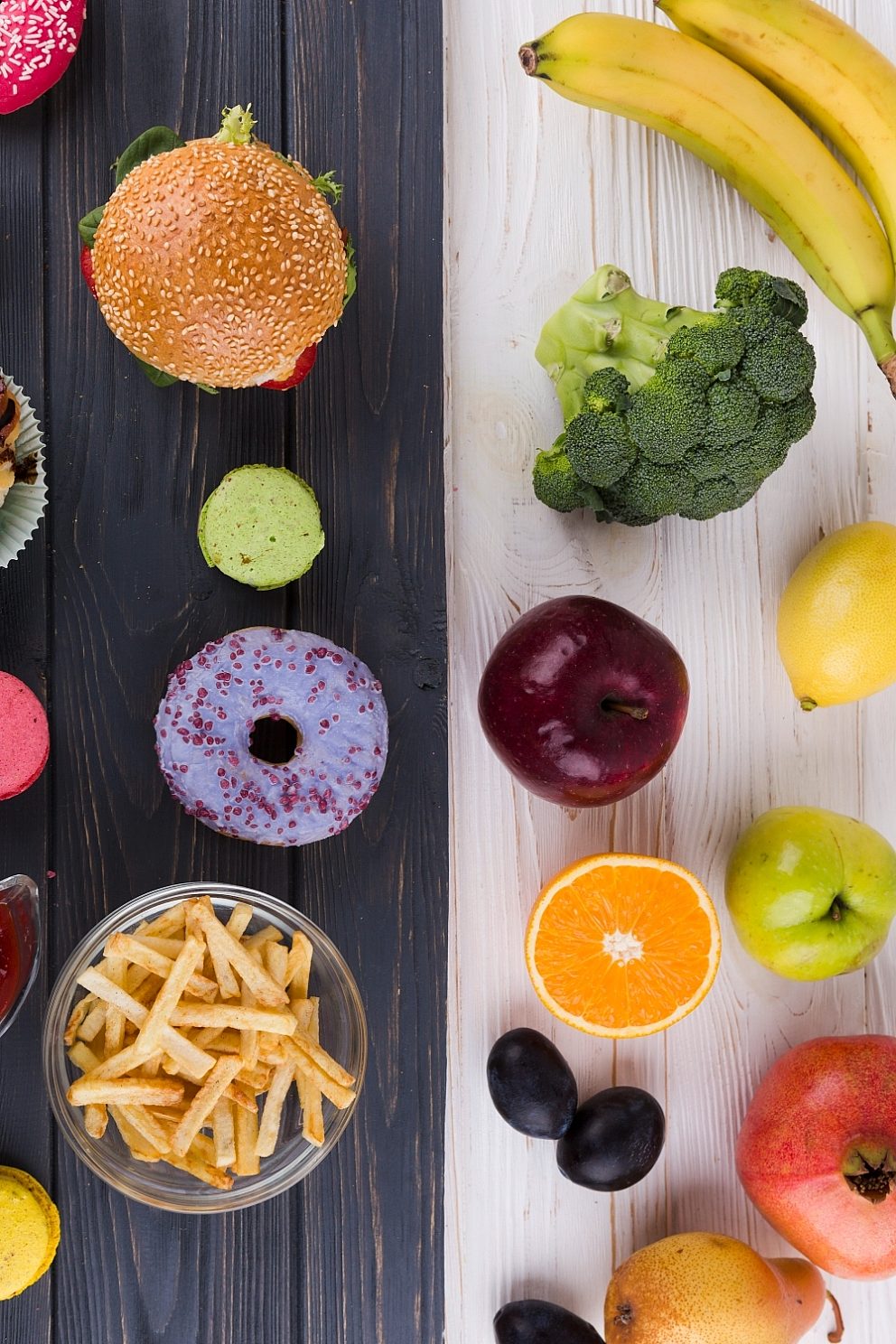
Foods that you can add into your diet that reduce inflammation include:
- Brightly colored vegetables such as tomatoes, cauliflower, carrots, bell peppers, sweet potatoes, and squash (eat the rainbow)
- Green leafy vegetables, such as spinach, kale, and collards
- Fruits such as apples, strawberries, blueberries, cherries, and oranges
- Legumes including chickpeas, lentils, black beans, kidney beans, and green peas
- Healthy fats including olive oil, almonds, walnuts, flaxseeds, and pumpkin seeds
- Fatty fish such as salmon, mackerel, tuna, and sardines
- Green tea